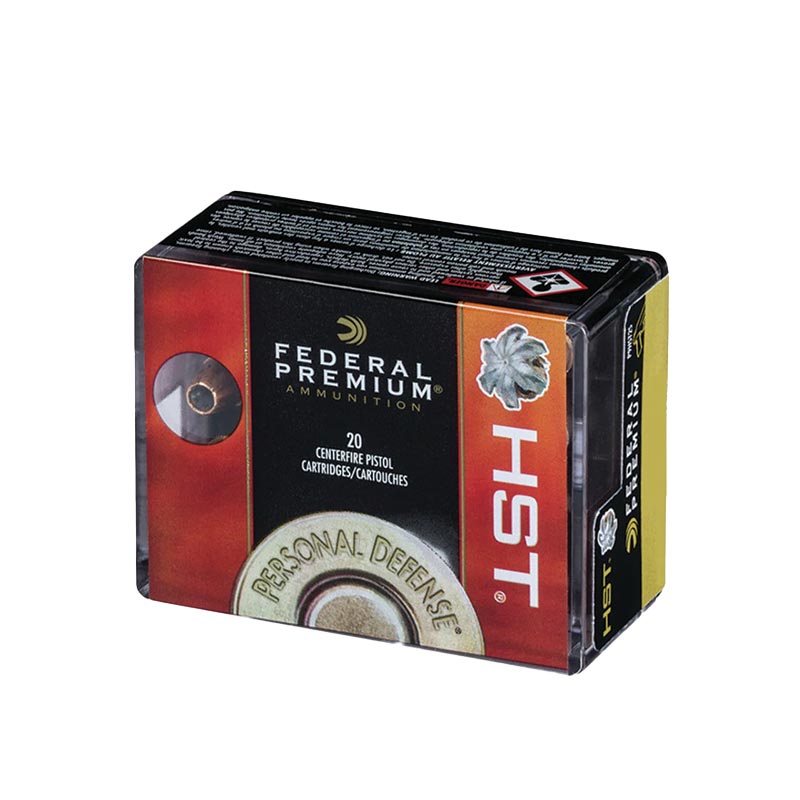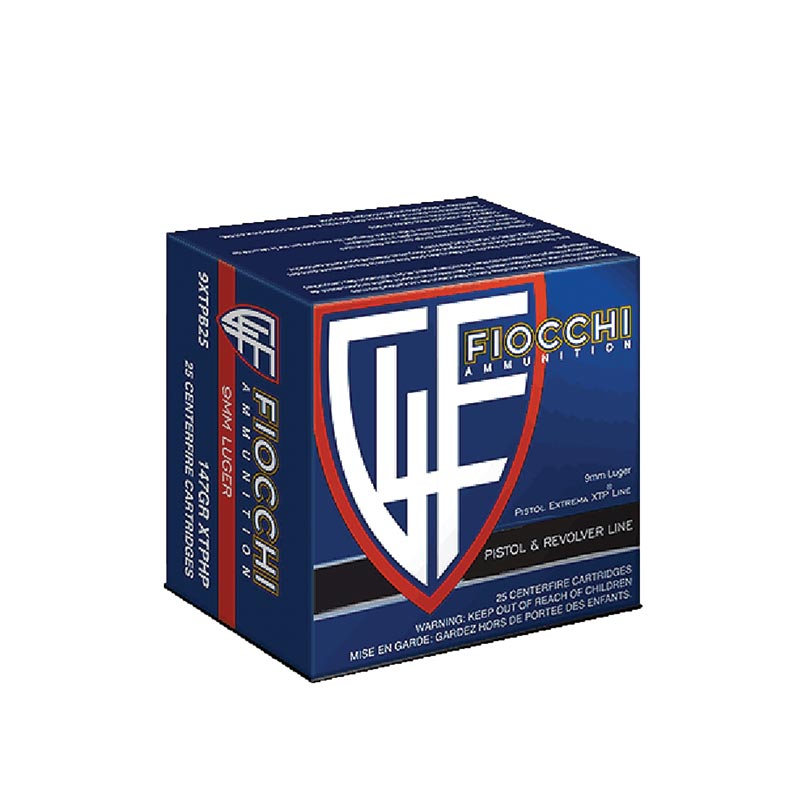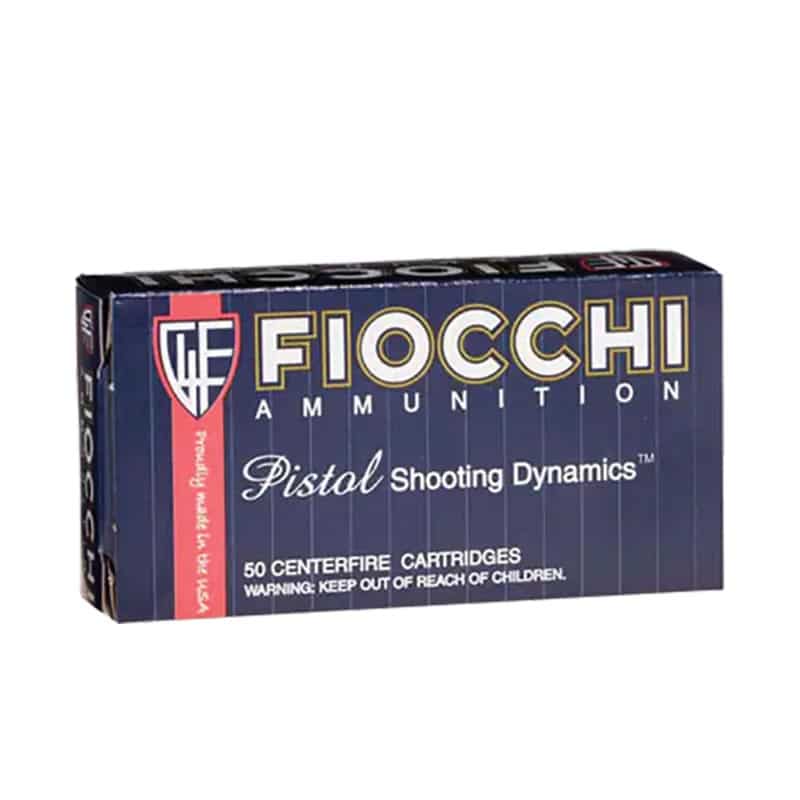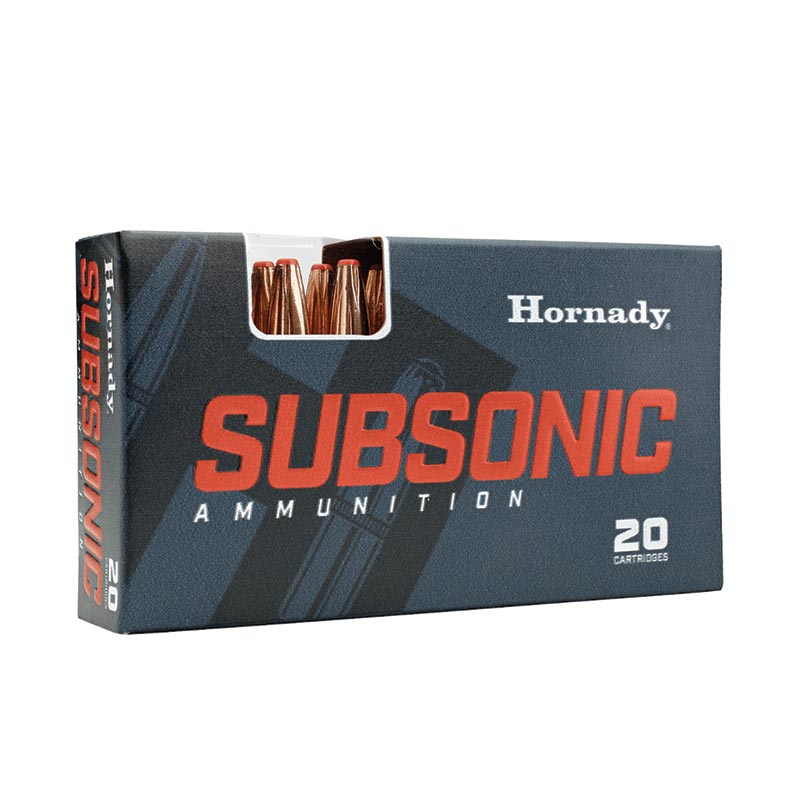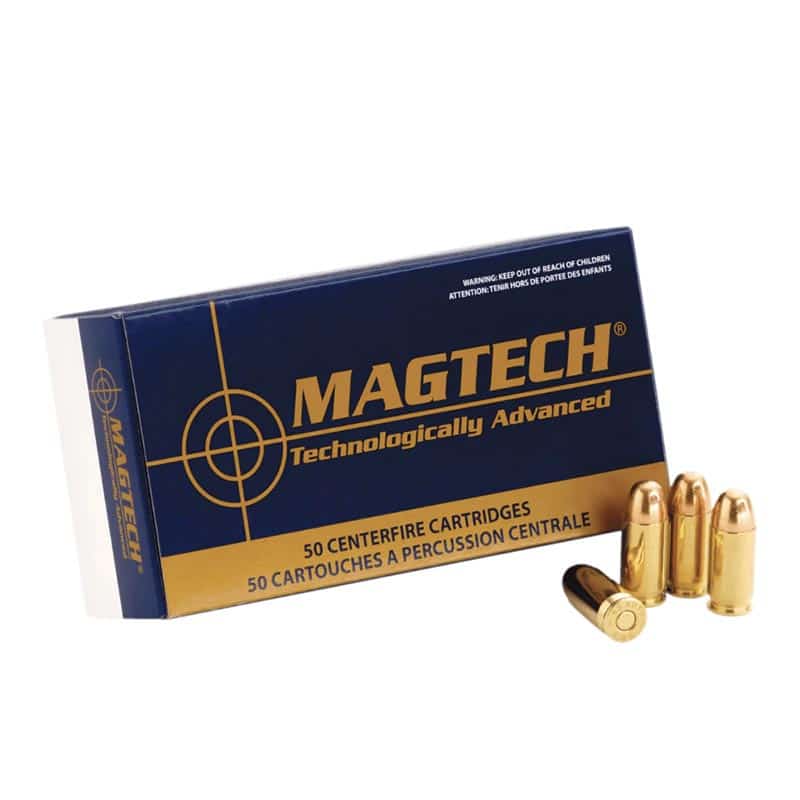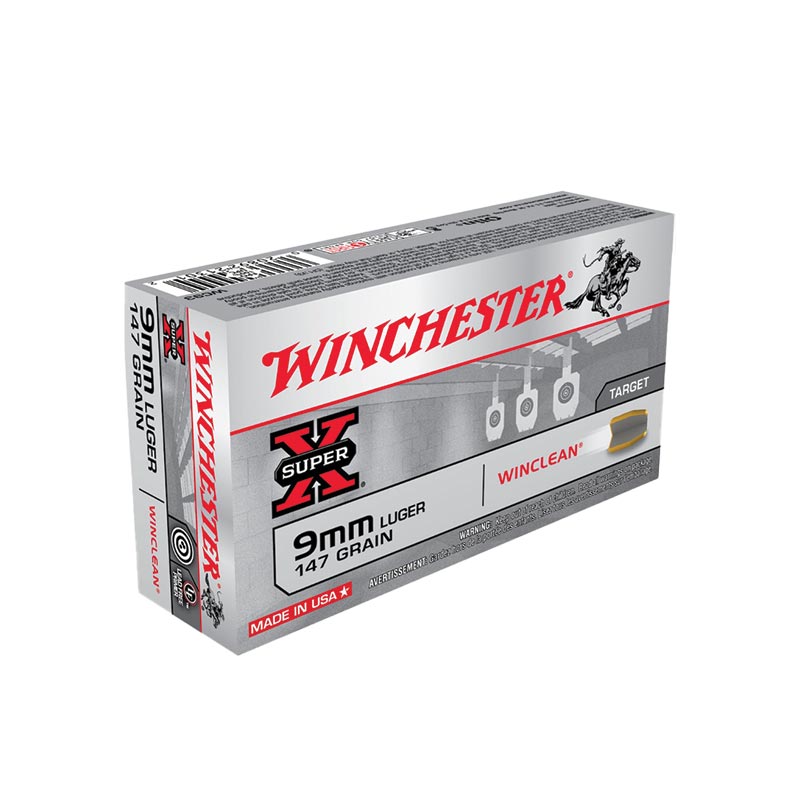


What does Bullet Grain refer to, you ask?
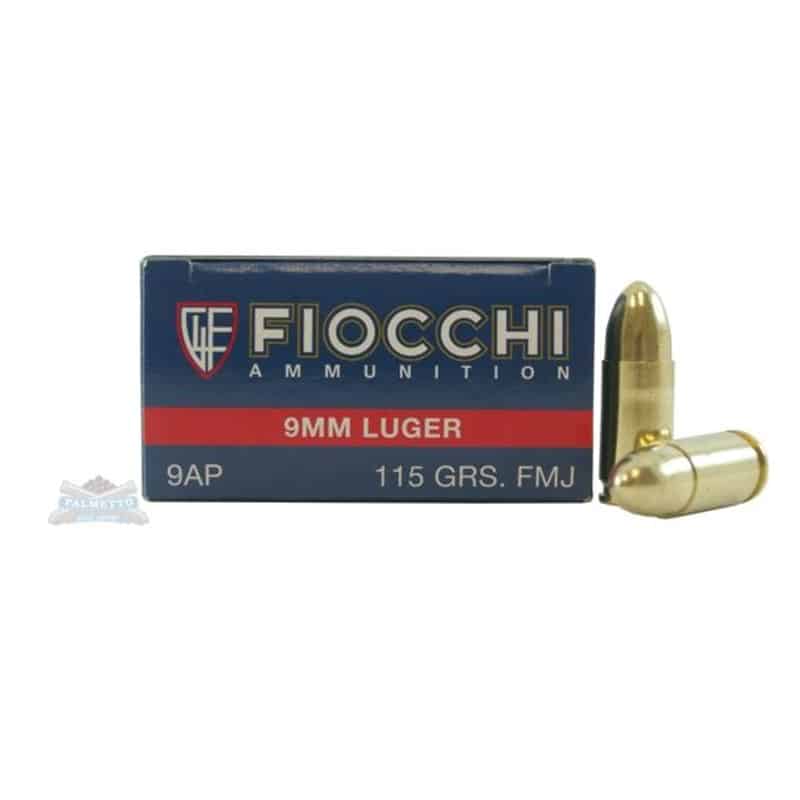
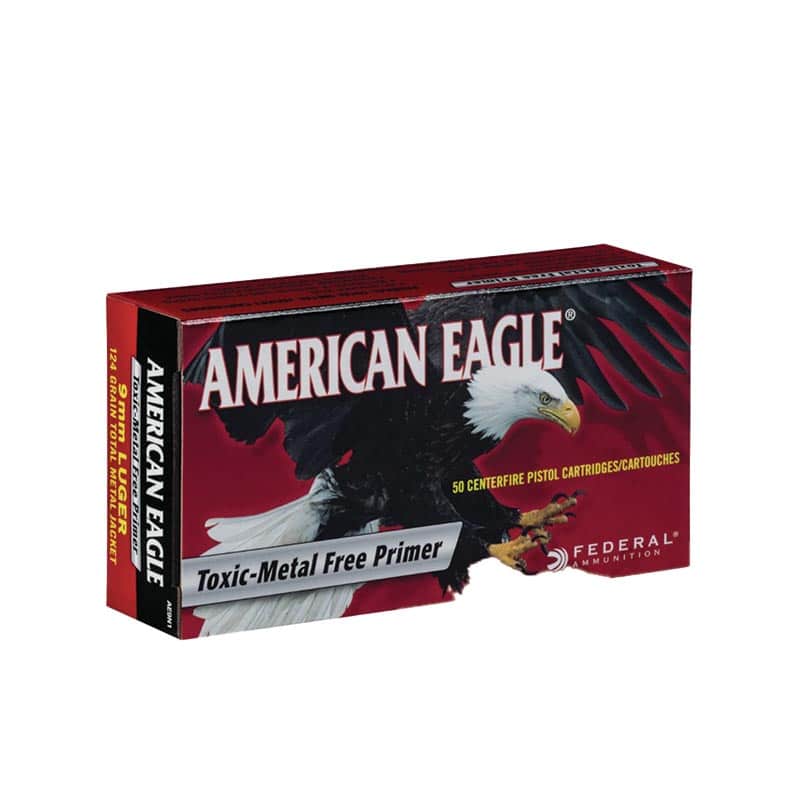
When buying ammunition for your firearm, you will see the word “grain” listed on the box. So what exactly are they referring to? “Bullet grain” refers to the weight of a bullet, and it’s a unit of measurement used in the world of firearms. The term “grain” is a very small unit of weight in the avoirdupois system, which is commonly used in the United States. One grain is equal to approximately 0.065 grams or 1/7000th of a pound.
When discussing ammunition, bullet grain does not refer to the entire cartridge (which includes the bullet, casing, powder, and primer) but specifically to the projectile part of the cartridge – the bullet itself.
Different Bullet Grain
When a box of ammo is labeled with a weight, such as ‘115 gr,’ ‘124 gr,’ or ‘147 gr,’ it refers to the weight of the bullet itself. By “bullet,” we refer to the actual projectile fired from the barrel, not the whole weight of the cartridge’s casing, powder, and primer.
The trajectory, energy transfer, recoil, and velocity of a bullet can all be affected by the grain it is made of. As follows:
Velocity
Lighter bullets (lower grain number) often have a higher velocity (speed) because their lower mass enables the burning gunpowder to propel them more quickly. This typically produces a flatter trajectory, meaning the bullet doesn’t deflect as much with distance.
Energy Transfer
Since every 9mm round has the same diameter of 9 millimeters, greater mass inside that 9 millimeters results in more energy being directed toward the target. It may be possible to penetrate a target with more energy by firing larger rounds. More mass is being crammed into the same tiny space by the heavier round.
Recoil
This is where the grain comes into play. Because it takes more energy to launch a heavier bullet, heavier rounds (bullets) often produce more recoil. The reason is that the heavier, denser bullet resists the expanding gases pushing it through the barrel more effectively. This results in more noticeable recoil when fired.
Penetration
Heavier bullets tend to penetrate deeper than lighter bullets, which can be an advantage or disadvantage, depending on the circumstances.
Selecting the Right Grain for You and Your Concealed Carry Firearm
The ‘right’ grain weight for you depends on your specific needs, preferences, and the gun you’re using. You may want to experiment with different bullet weights to see which performs best in your firearm and suits your requirements for recoil and performance. Different grain weights improve the accuracy of some firearms.